YouTube Shorts Strategy for Brands: Grow Faster 2026
YouTube Shorts strategy for brands: content types, posting cadence, hook frameworks, metrics, and how Shorts feed your long-form channel growth in 2026.
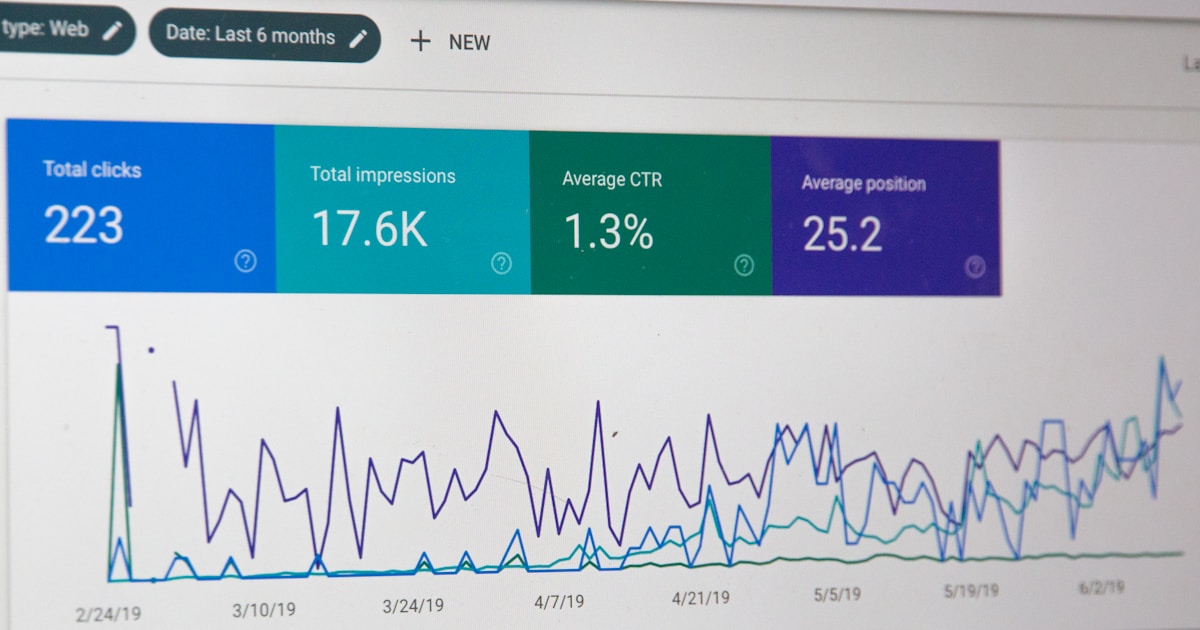
YouTube Shorts now generates over 200 billion daily views. It has overtaken TikTok in monthly active users and sits at 2 billion people scrolling vertical video every month. Yet when you look at what most brands are actually publishing in the Shorts feed, you see the same mistakes repeated: repurposed horizontal cuts that letterbox awkwardly, 60-second brand videos that open with a logo animation, and channels that posted three Shorts in January and never came back.
A real YouTube Shorts strategy for brands is deliberate, format-native, tied to measurable outcomes, and integrated with your long-form channel. This guide gives you the framework to build that correctly.
How YouTube Shorts Works Differently From Long-Form
The Shorts feed is a separate algorithm from YouTube's main recommendation engine. In long-form, the algorithm weighs click-through rate, watch time in minutes, and returning viewers. In Shorts, the single most important signal is the viewed-versus-swiped-away ratio. If someone swipes past your Short within the first second, the algorithm stops distributing it. If they watch through to the end and loop, it pushes the Short to a wider audience.
Shorts discovery does not depend on subscription status. Viewers swipe through a continuous feed, and YouTube serves them what it predicts they will finish. A brand with zero subscribers can reach hundreds of thousands of people with a single well-built Short. Channels combining both Shorts and long-form grow approximately 41% faster than those using only one format.
The practical implication: Shorts are a discovery and acquisition vehicle. You build reach and subscriber pipeline through Shorts. You build relationship and depth through long-form.
YouTube Shorts Strategy for Brands: The 5 Content Types That Work

Not every content idea translates to a 60-second vertical format. Based on what actually performs for B2B brands and SaaS companies, five content types consistently outperform everything else.
1. Quick tips and how-tos. Take one specific, actionable insight from your domain and deliver it in under 30 seconds. The key is specificity: "three ways to improve retention" is too broad; "the exact setting in [your tool] that fixes churn reporting" is a Short.
2. Behind-the-scenes content. A 20-second clip of your team in a real working session outperforms polished brand content because authenticity cues the algorithm differently. Viewers finish genuine moments.
3. Product teasers and feature spotlights. Fifteen to twenty seconds showing a specific feature in action, no setup, no brand intro, no soft sell. Open on the problem, show the feature solving it, stop. Anything that feels like an ad triggers the swipe immediately.
4. Repurposed long-form highlights. Your existing long-form library contains Shorts you have not extracted yet. The best candidates are moments where a guest says something surprising, a demonstration is visually complete, or a counterintuitive claim lands cleanly. These work because the content already proved itself in long-form analytics.
5. Trend-based content. Participate when the trend connects naturally to your category. Skip when it requires contorting your brand's voice. For B2B brands especially, chasing irrelevant trends produces vanity metrics and poor subscriber conversion.
YouTube Shorts Strategy for Brands: Shorts vs. Long-Form
The wrong question is whether to do Shorts or long-form. The right question is what role each format plays in your channel's growth model.
Shorts introduce your brand to new audiences at scale. Long-form deepens trust and converts. Consumers are now slightly more likely to engage with short-form video (52%) than long-form (48%), but B2B purchase decisions are not made in 45 seconds. If your team only has bandwidth for one format, prioritize long-form; it compounds more predictably. But if you have someone who can clip and caption existing footage, you can build a Shorts operation on top of your long-form archive without creating anything from scratch. For more on building the underlying channel structure, see our guide to YouTube channel growth strategy.
How Shorts Feed Subscribers Into Your Long-Form Channel

Shorts are a subscriber funnel for your main channel, and most brands miss this entirely.
When a viewer finishes your Short and finds it useful, a percentage will tap your channel name. A subscriber conversion rate of 0.5% from Shorts, five new subscribers per 1,000 views, is considered above average. At scale, a Short reaching 200,000 views drives 1,000 new subscribers, all arriving with specific expectations set by what they just watched.
The content bridge between Shorts and long-form matters. If your Shorts are tactical how-tos and your long-form is strategy-level deep dives on the same topic, the handoff is clean. You can also reference long-form content at the end of a Short with a "full video on the channel" prompt. For more on keeping subscribers engaged once they arrive, read about YouTube watch time and audience retention.
Optimal Length, Posting Frequency, and Timing
For B2B brands, the optimal Short length is 15 to 45 seconds. Your audience is not entertainment-driven; they will give you 20 seconds to make a point clearly. If you need 55 seconds, you probably have a hook problem, not a length problem.
Post three to five Shorts per week. This is enough to gather meaningful retention data, maintain consistent algorithmic presence, and iterate without burning out your team. One weak Short that gets swiped immediately can suppress distribution on the Shorts that follow it.
Timing matters less than consistency because the Shorts feed is not date-ordered. The algorithm serves content based on viewer behavior patterns, not upload timestamps. Focus on a sustainable cadence rather than optimizing for a specific posting hour.
The First 2 Seconds Decide Everything

The hook is not a nice-to-have in Shorts. It is the entire game. A compelling hook in the first two seconds can retain approximately 19% more viewers. If your viewed-versus-swiped-away rate is below 50%, your opening is the problem.
What works in B2B Shorts hooks:
Counterintuitive statements. "Most SaaS companies are measuring the wrong churn metric." The viewer has to know if they are doing it wrong.
Specific numbers. "We reduced our content production cost by 60% without cutting output." Specificity signals credibility and stops the scroll.
Direct problem address. "If your sales cycle is longer than 90 days, watch this." You are naming someone and telling them this is for them.
What does not work: logos, intros, "hey guys welcome back", any sentence that begins with your company name. Open on the problem, the claim, or the demonstration. For more on optimizing click-through, our guide to YouTube thumbnail strategy and click-through rate covers principles that apply across both formats.
Captions, Text Overlays, and Audio in Shorts
Roughly 85% of viewers watch short-form video without sound at some point. Captions are the primary communication channel for a majority of your audience, not an accessibility add-on. Shorts without captions discard most of their potential reach.
For brand Shorts, captions should be burned in or native to the platform, timed precisely, high contrast, and formatted in short two to four word chunks. A text overlay naming the core insight at the start adds a visual anchor for partially engaged viewers.
Original voice-over with clean audio quality outperforms trend audio for B2B brands. Your audience is deciding whether to trust you enough to subscribe. A decent USB microphone costs under $100 and signals credibility immediately.
Building a Shorts Production Workflow That Does Not Drain Your Team

The biggest mistake B2B brands make with Shorts is treating them as additional content work. They are most sustainable as a systematic output of your existing operation.
Every long-form video you record contains multiple Shorts. Brief your video editor to flag clip moments during editing: points that land cleanly in under 45 seconds, demonstrations that are visually complete, insights that are self-contained. Those clips then get reformatted: crop to 9:16 vertical, add captions, add a hook text overlay, export. A competent editor can produce three to five Shorts from a single long-form video in under two hours.
If your team lacks in-house editing capacity, bringing in dedicated support for Shorts production costs significantly less per Short than original production, because the intellectual work is already captured in your long-form footage. For detail on professional video editing support costs, see our breakdown of outsource YouTube video editing costs. At Pixel8, our production service handles this exact workflow for B2B brands at $2,000 to $3,200 per month depending on volume.
Measuring Shorts Success: Which Metrics Actually Matter
Shorts analytics live in a separate section of YouTube Studio, and the metrics that matter are different from long-form.
Viewed vs. swiped away. Your first diagnostic. If completion is below 60%, your hook is failing. Fix the opening before changing anything else.
Average view duration and retention curve. A cliff at the 15-second mark in a 30-second Short means you lost the thread at that moment. Review the footage and cut the dead section.
Subscribers gained from Shorts. Track this separately from long-form subscriber data. A Short that generates high subscriber conversion at lower view count is signaling strong audience fit; make more content in that style.
Traffic to long-form content. Check whether long-form view counts rise in correlation with your Shorts cadence. This is harder to attribute directly but visible in trend analysis over 60 to 90 days.
Do not optimize for Likes. Likes have minimal algorithmic weight. Completion rate and rewatch rate are what the algorithm reads. For more on connecting these metrics to your B2B channel strategy, our guide to B2B SaaS YouTube channel strategy covers the full analytics framework.
Build Your Shorts Pipeline Before Your Competitors Do
YouTube Shorts adoption by B2B brands is still early. Brands that build a systematic Shorts operation now will own organic discovery advantages that compound year over year.
If you have existing long-form content, you already have the raw material. A workflow that extracts clips efficiently and a cadence you can sustain is all you need.
Pixel8 handles this end to end for B2B brands at $2,000 to $3,200 per month. Reach out here to talk through whether it fits your stage.
Where to go from here
Frequently asked questions
How often should a B2B brand post YouTube Shorts?
Three to five Shorts per week is the optimal range for most B2B brands. This gives the algorithm enough data to establish distribution patterns, allows your team to iterate based on performance, and keeps quality high enough that each Short has a genuine chance of performing. Posting daily often produces filler content that damages your viewed-versus-swiped-away ratio and suppresses distribution on your better Shorts. Quality consistency matters more than volume with a professional audience.
Should YouTube Shorts be the same content as our long-form videos?
Not the same, but connected. The most effective Shorts for B2B brands are derived from long-form content rather than original standalone productions. You take a specific moment, insight, or demonstration from a long video and package it as a self-contained Short. The Short introduces the topic; the long-form video owns the depth. This creates a content ecosystem where Shorts serve as persistent discovery traffic for your existing library, rather than a completely separate content burden on your team.
What is a good viewed-versus-swiped-away rate for brand Shorts?
A completion rate above 60% is a strong benchmark for Shorts. Some high-performing brand Shorts reach 75% to 85% completion, typically those that are under 20 seconds and deliver a single clear point. If your completion rate is consistently below 50%, the issue is almost certainly the opening two seconds. Revise the hook before changing anything else about the production, because the algorithm gates all further distribution on whether viewers finish the Short.
Can YouTube Shorts help with B2B lead generation?
Directly, no. Shorts are a discovery and awareness format; the vast majority of viewers who find you through a Short are not ready to buy. The value is indirect: Shorts grow your subscriber base, subscribers watch your long-form content, long-form drives the trust that produces qualified leads. The channels generating the best B2B pipeline combine Shorts for audience growth with long-form case studies and product education for conversion. Our guide on YouTube channel types for B2B SaaS covers how to structure that mix.
How long should a YouTube Short be for business content?
For B2B brands, the optimal range is 15 to 45 seconds. Data shows Shorts with average view duration above 50 seconds generate significantly more views, but professional audiences will give you 30 seconds to make one useful point. If your content genuinely requires 55 to 60 seconds, that is acceptable, but scrutinize whether you can tighten the opening rather than accepting the full minute. Length should be dictated by what the point requires, not the format maximum.
Do hashtags and keywords matter for YouTube Shorts?
Yes, and this has become more significant in 2026 with the introduction of Shorts-specific search filters. Title and description keyword optimization now affects Shorts visibility in search, not just the algorithmic recommendation feed. Use your primary keyword in the title naturally, add two to three relevant hashtags in the description (not the title), and write a description that supports search intent. Do not keyword-stuff or use irrelevant trending hashtags; the algorithm is better at identifying mismatched content than it used to be, and it penalizes Shorts where viewer behavior does not match search intent.
Should brands spend money to promote YouTube Shorts?
Paid promotion of Shorts through YouTube Ads has limited effectiveness for brand-building because the organic discovery potential is already massive. A well-constructed Short can reach hundreds of thousands of viewers without spending anything. Paid spend is better directed toward long-form video ads targeting specific buyer intent, or retargeting campaigns for people who have already engaged with your channel. The exception is brand awareness campaigns where reach volume is the primary metric. For subscriber growth and pipeline development, organic Shorts quality is the investment, not paid distribution.
How do Shorts affect channel analytics and watch time calculations?
YouTube tracks Shorts watch time separately from long-form in your channel analytics. Shorts do not directly contribute to the watch time threshold used for monetization eligibility. However, subscribers gained from Shorts count toward your total, and those subscribers who then watch long-form content contribute to long-form watch time accumulation. When Shorts and long-form are aligned on topic and audience, the channel-level impact is genuinely additive across both formats.

Prakhar Mehta
Pixel8 is a done-for-you video editing subscription, giving SaaS companies, agencies, and founders a dedicated editing team with 48-hour turnaround.
Ready to stop doing this yourself?
Get a dedicated video editing team. 48-hour turnaround, unlimited revisions, month-to-month.