Wedding Video Editing Service: A Guide
A practical wedding video editing service guide for videographers: outsource highlight films, teasers, and reels to shoot more weddings and clear backlogs.
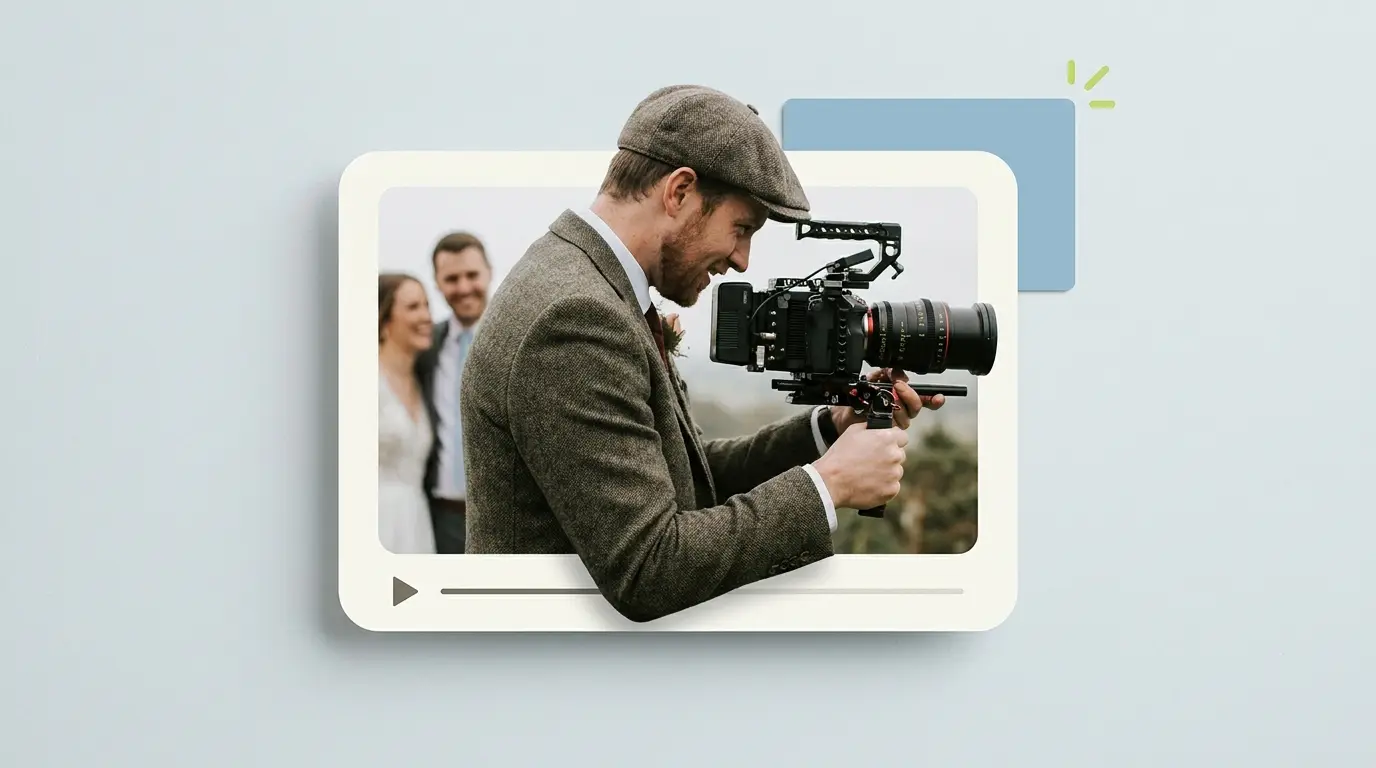
A wedding video editing service is a done-for-you partner that takes your raw footage from a wedding day and turns it into finished highlight films, full-ceremony edits, teasers, and social reels, so you do not have to spend your week chained to a timeline. For videographers and studios, this is the difference between booking more weddings and drowning in a backlog. If you shoot every Saturday in peak season, the editing math gets ugly fast. A single wedding can take fifteen to forty hours to cut properly, and that time has to come from somewhere. The right wedding video editing service buys back that time without forcing you to lower your quality or your prices.
This guide covers how studios use outsourced editing, what to look for before you hand over a hard drive, and how the cost compares to editing in-house or hiring full-time. The goal is to help you decide whether outsourcing fits your business, not to push you toward it.
Why wedding pros outsource editing
The wedding business has a structural problem. Shooting and editing are two completely different jobs, but the same person usually does both. You are a strong shooter on the day, then a slow, tired editor on Tuesday. The hours do not overlap, which means every wedding you book adds editing debt you pay off later, often during the exact weeks you should be marketing for next season.
Video demand keeps climbing across every industry. According to Wyzowl, 91% of businesses use video as a marketing tool, and couples now expect their wedding to be documented like a brand film, not a static recap. That raises the bar on every deliverable you produce. More polish per project means more hours per project, and those hours do not scale unless you find help.
Outsourcing solves three problems at once. First, it clears the backlog so couples get their films in weeks instead of months. Second, it frees your calendar to shoot more weddings, which is where most studios make their margin. Third, it lets you specialize in what you are best at on the day, while a dedicated editor handles the craft of the cut. The studios that grow past a one-person operation almost always separate shooting from editing, and a wedding video editing service is the lowest-risk way to test that split before you commit to a payroll hire.
What a wedding video editing service actually delivers
The term covers a wide range of work, and the deliverables matter more than the label. A good partner should handle the full set of wedding outputs.
Highlight films are the centerpiece, usually three to six minutes, set to music, mixing ceremony vows, speeches, and the best moments of the day into a tight emotional story. Full-ceremony and full-reception edits are longer documentary cuts, often multi-camera, that couples and families watch for years. Teasers are sixty to ninety second sneak peeks delivered fast, sometimes within days of the wedding, to keep the couple excited and to fuel your social feed. Social reels are vertical cuts built for Instagram and TikTok, which is its own skill set. If you want to understand how those vertical edits differ from a horizontal highlight film, our guide to short-form video editing breaks down the format and pacing differences.
A serious editing partner also handles color grading to match your shooting style, audio cleanup and mixing across multiple mic sources, and music synced to key moments. The deliverables should arrive in the aspect ratios you need, with horizontal cuts for YouTube and clients, plus vertical versions for social. This is what separates a true done-for-you video editing service from a freelancer who just trims clips and hands them back.
What to look for before you hand over footage
Not every editing partner is built for weddings. Here is what actually matters when you evaluate one.
Music licensing
Wedding films live on social platforms, and platforms aggressively flag and mute unlicensed music. Ask your editing partner exactly which music libraries they pull from and whether the licensing covers public posting, not just private viewing. A professional service works only from properly licensed catalogs and can document it. If they cannot answer this clearly, walk away.
Turnaround in peak season

The real test is July, when every studio is slammed and editors are buried. Ask about turnaround during peak months specifically, and ask whether their capacity flexes when wedding season hits.
Color and audio quality

Wedding footage is unforgiving. You shoot in mixed lighting, from dark churches to bright midday receptions, often across multiple cameras that do not match out of the box. A capable editor handles color matching so a single film looks consistent shot to shot.
Consistency across films

If you are outsourcing volume, every couple should get the same quality. Inconsistency is the fastest way to damage your reputation, because couples compare films with each other and post them publicly. The best way to guarantee consistency is a dedicated editor who learns your style, rather than a rotating pool of strangers pulling from a queue. Consistency is also why a defined style guide and a feedback loop matter more than raw editing talent.
The cost of editing in-house versus outsourcing
The honest comparison comes down to three paths: edit it yourself, hire an in-house editor, or outsource to a service. Each has a real cost, and the cheapest option on paper is rarely the cheapest in practice.
Editing it yourself feels free, but it is not. Every hour you spend in the timeline is an hour you cannot spend shooting, selling, or resting. If you shoot twenty-five weddings a year and each takes thirty hours to edit, that is 750 hours, roughly nineteen full work weeks spent editing. At a shooting rate of a few thousand dollars per wedding, the opportunity cost of those weeks is enormous. Doing it yourself is the most expensive option for any studio trying to grow.
Hiring a full-time in-house editor gives you control and consistency, but it is a serious fixed cost. A video editor salary runs roughly $55,000 to $75,000 per year according to ZipRecruiter, before benefits, software, and hardware. That works only if you have steady volume year round, which most wedding studios do not. You pay the same salary in slow January as in frantic July.
Freelancers sit in the middle, usually charging $75 to $250 per wedding video, sometimes more for complex multi-camera films. The trouble is reliability and consistency. The best freelancers get booked solid in peak season, which is exactly when you cannot afford them to disappear, and a rotating roster makes consistent quality hard. Agencies handle larger projects at $500 to $5,000 or more per project, but per-project pricing gets expensive fast at wedding volume.
A subscription editing service is the fourth path. Instead of paying per video, you pay a flat monthly rate for a dedicated editor and a set turnaround, with unlimited revisions. For a studio with steady volume, this often lands cheaper per film than freelancers while delivering the consistency of an in-house hire, without the payroll. If you want a side-by-side look at the models, our breakdown of the best video editing services compared lays out the tradeoffs in detail.
Squeezing more from every wedding you shoot
The studios that win are not just delivering one highlight film per couple. They are turning each wedding into a library of content. One eight-hour shoot can produce a highlight film, a teaser, a full-ceremony edit, and a dozen vertical reels, all from the same raw footage. That is more value for the couple and more marketing fuel for you.
This matters because video drives buying decisions everywhere now. HubSpot reports that video is one of the highest-converting formats marketers use, and the same psychology applies to booking a wedding videographer. Couples watch your reels before they ever fill out a contact form. The more polished short-form content you post, the more weddings you book, which is its own growth loop. If you want a system for turning each wedding into many pieces, our guide on how to repurpose long-form video into shorts shows the workflow.
Outsourcing your editing is what makes this volume possible. You cannot shoot every weekend, edit four deliverable types per wedding, and cut a dozen reels by yourself. Something has to give, and for most studios that something is either sleep or growth. A dedicated editing partner removes the bottleneck.
What Pixel8 Production offers
Pixel8 Production is a done-for-you B2B video editing subscription built for businesses and creators who need consistent, professional editing without managing a freelancer roster or building an in-house team. You get a dedicated editor who learns your style, a 48-hour turnaround on most deliverables, and unlimited revisions until each cut is right. Pricing is a flat $2,000 to $3,200 per month, which makes budgeting predictable no matter how many projects you send in a given week.
For a wedding studio, that model maps cleanly onto the season. Your dedicated editor learns your color and audio preferences once, then applies them consistently across every couple, which solves the consistency problem that breaks freelancer-based workflows. The flat monthly rate means a busy summer does not blow up your costs, and the 48-hour turnaround keeps teasers and reels flowing while the memory of the day is still fresh. Because the work is unlimited within your subscription, you can request the full set of deliverables per wedding, highlight film, teaser, full-ceremony cut, and vertical reels, without negotiating a new price each time.
The same setup works beyond weddings, which matters if your studio also shoots corporate or commercial work in the off-season. If your business needs editing across multiple content types year round, our overview of a video editing service for businesses explains how the subscription model handles mixed workloads.
How to test an editing partner before you commit
Do not move your whole catalog at once. Start with one wedding, ideally one you have already delivered, so you can compare their cut against your own. Send the full raw footage, your shot notes, and a reference film that shows the style you want. Then judge the result on the four criteria above: licensed music, turnaround speed, color and audio quality, and how closely it matches your style.
Pay attention to the revision process too. The first cut is rarely perfect, and what matters is how the partner responds to feedback. A service with unlimited revisions and a dedicated editor will refine until it is right. A service that nickels and dimes you per revision or hands you to a different editor each round will frustrate you in peak season. Run the test in spring, before you are slammed, so you have a trusted partner ready when the summer rush hits.
Once you trust the output, scale gradually. Move your teasers and reels over first, since those have the fastest turnaround pressure, then add highlight films as confidence grows. Within a season or two, most studios find they can take on noticeably more weddings without working more hours, because the editing bottleneck is gone.
Bottom line
A wedding video editing service is most valuable to studios that want to grow without burning out. Editing your own footage feels free but costs you the weeks you need to book more weddings, while an in-house hire locks in a year-round salary against seasonal work. A flat-rate subscription gives the consistency of an in-house editor with the flexibility your calendar needs. Vet any partner on music licensing, peak-season turnaround, and quality, test on one wedding, then scale. Done right, outsourcing turns editing from a bottleneck into the thing that lets you shoot more and stress less.
Where to go from here
Frequently asked questions
What does a wedding video editing service include?
A full service handles highlight films, full-ceremony and reception edits, teasers, and vertical social reels. Good partners also include color grading, multi-source audio mixing, and licensed music synced to key moments, delivered in both horizontal and vertical formats so you can use the footage everywhere.
How fast can I get my wedding films back?
Turnaround varies by provider and deliverable. Teasers can come back in days, while full highlight films take longer. Subscription services like Pixel8 offer a 48-hour turnaround on most deliverables. The key question is peak-season turnaround, since many freelancers slow dramatically in summer when you need them most.
Is outsourcing cheaper than hiring an in-house editor?
For most wedding studios, yes. An in-house editor costs $55,000 to $75,000 per year before benefits and software, a fixed cost you pay even in slow months. Outsourcing converts that into a variable or flat monthly cost, which fits the seasonal swings of wedding work far better.
How much does wedding video editing cost?
It depends on the model. Freelancers charge $75 to $250 per video, agencies charge $500 to $5,000 or more per project, and the general market for outsourced editing runs $500 to $3,000. Subscription services like Pixel8 charge a flat $2,000 to $3,200 per month for unlimited work with a dedicated editor. A $900 trial is available to test the service before committing to a monthly plan.
How do I make sure the music is properly licensed?
Ask your editing partner exactly which music libraries they use and whether the licensing covers public posting on social platforms, not just private viewing. A professional service works only from licensed catalogs and can document the rights. Unlicensed popular tracks get muted or flagged the moment a couple posts the film.
Will the films look consistent across different weddings?
Consistency comes from process. The most reliable way to get matching quality across every couple is a dedicated editor who learns your style, rather than a rotating pool of editors pulling from a queue. A shared style guide and a clear revision loop also keep the output uniform.
Can a service handle peak wedding season volume?
A good one can, but you have to confirm it. Ask specifically about turnaround and capacity during your busiest months and get the answer in writing. Subscription services with unlimited revisions and a dedicated editor are built to absorb steady volume, which is why they suit studios that shoot every weekend in season.

Prakhar Mehta
Pixel8 is a done-for-you video editing subscription, giving SaaS companies, agencies, and founders a dedicated editing team with 48-hour turnaround.
Ready to stop doing this yourself?
Get a dedicated video editing team. 48-hour turnaround, unlimited revisions, month-to-month.