Video Editing for Engineering Firms
Video editing for engineering firms turns project, technical, and recruiting footage into clear video that wins clients and talent without an in-house editor.
Why engineering firms need video editing
Video editing for engineering firms helps with a marketing challenge many technical firms underuse video for: communicating complex, high-value work to clients who are choosing a firm largely on credibility and capability. Whether it is civil, structural, mechanical, or software engineering, a firm's best proof is its projects, and video, of a completed project, a technical process, or the team explaining an approach, conveys competence far better than a static portfolio. An engineering firm that publishes clear, professional video stands out in a field where most competitors rely on dry text and stock imagery, and it makes the firm's expertise tangible to the clients and partners evaluating it.
The commercial case is that engineering is a considered, credibility-driven B2B purchase, often for large projects, where trust in a firm's capability is decisive. Wyzowl reports that 85% of people say they have been convinced to buy a product or service by watching a video. Video helps by making complex projects and technical expertise visible and understandable, which differentiates a firm in proposals and business development. It also scales the credibility of a firm's best engineers across every prospect, and increasingly helps with the recruiting challenge that constrains many engineering firms.
The challenge is capacity. Engineering firms are staffed with engineers, not editors, and while project footage, drone captures of sites, and technical explanations are capturable, turning them into polished video is skilled work outside the firm's core. Footage sits unused, or videos come out rough and undercut the precision a technical firm wants to project. Outsourcing the edit lets an engineering firm capture its projects and expertise and publish credible, professional video consistently, without hiring for a function it uses periodically.
What engineering firms need edited

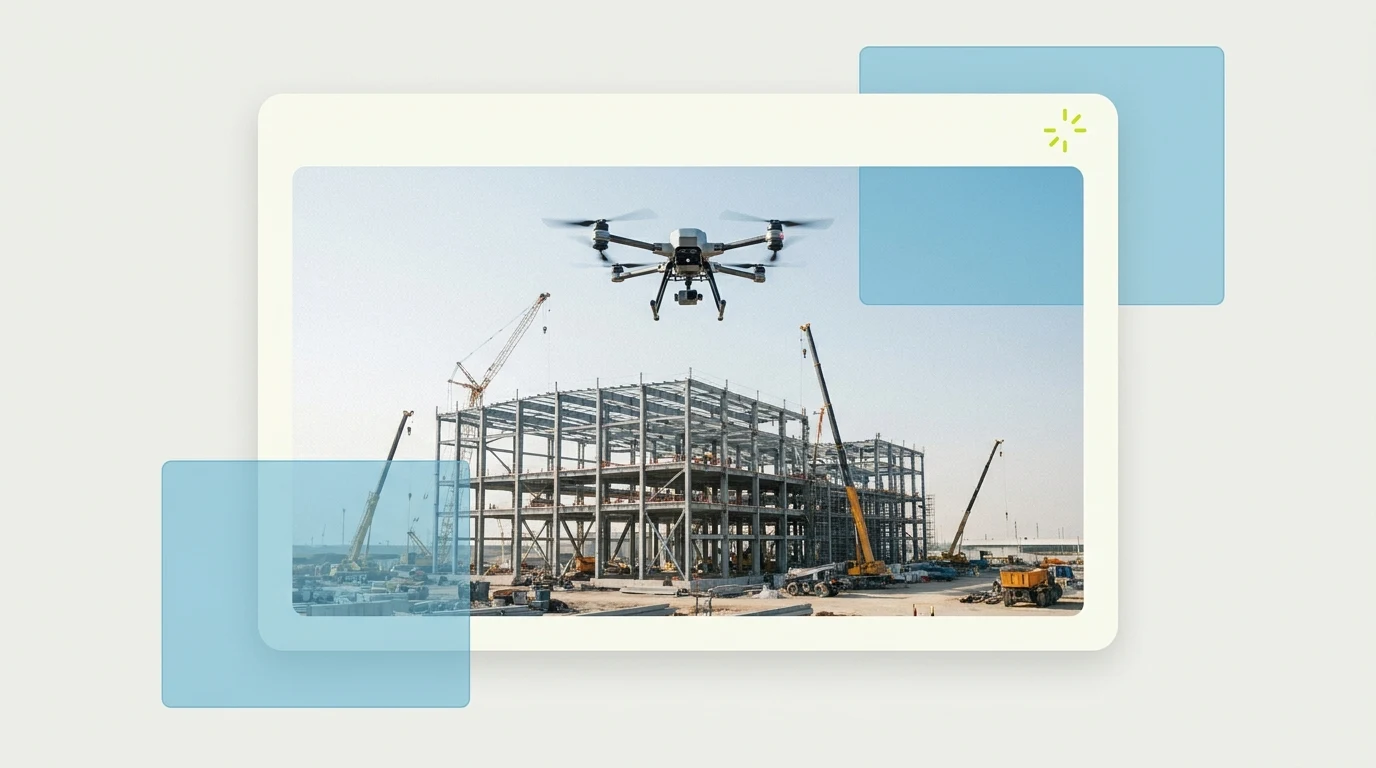
Engineering footage clusters into credibility-building types. Project showcase and case-study videos are the flagship, documenting notable projects from concept through completion, often with drone footage of sites and structures, edited to convey the scale and quality of the work. These are powerful business-development assets, and getting the right length for each platform keeps a project film focused. Technical and process explainers are close behind, videos that explain the firm's approach, methodology, or a complex technical concept to clients, which build the perception of expertise that wins work.
Capability and firm-brand content is the third type, videos about the firm's services, specializations, and differentiators, along with leadership thought-leadership that positions senior engineers as authorities. Client testimonials are especially valuable in a trust-driven purchase, since a client describing a firm's performance on a major project is powerful proof, and one interview edits into a main film plus clips.
Then there is recruiting and internal content, which matters enormously given the talent shortage many engineering firms face: culture videos, engineer profiles, and project stories that attract technical talent, plus internal training and knowledge-sharing content. Recruiting content connects to the same B2B content thinking as client marketing, applied to talent. A good editing workflow treats a polished project film and an internal training video as separate lanes, and the point is that an engineering firm generates impressive, technical footage, and the edit is what turns it into video that wins both clients and talent.
What video editing for engineering firms costs
Engineering firms weigh marketing spend carefully, often against billable priorities, so predictability matters. The three routes are familiar. An in-house editor gives dedicated capacity but is the most expensive path and hard to justify for a firm whose video needs are periodic rather than constant. An in-house video editor costs $55,000 to $75,000 per year before benefits per ZipRecruiter, plus equipment and software. That fixed salary usually outweighs the actual output of most engineering firms.
Freelancers are flexible per project and can handle a one-off project film, but a rotating roster makes brand consistency hard, and coordinating them across project, technical, and recruiting video adds work a firm without a marketing department cannot spare. Re-briefing a new editor on technical content each time is its own cost. Our overview of how to outsource video editing covers vetting them.
A monthly editing service fits engineering firms well, matching the periodic-but-recurring cadence of project and recruiting content with a flat, defensible cost. You send footage as projects complete or recruiting pushes ramp, and get consistent, on-brand edits back on a set turnaround. A full-service partner like Pixel8 typically runs about $2,000 to $3,200 per month, well below an in-house hire and more reliable than freelance coordination for technical content. Measured against the value of winning even one significant project or filling a hard technical role, that is a modest, high-return cost, and our breakdown of monthly editing costs frames it.
What to look for in an engineering firm editing partner

Because engineering video is technical and credibility-focused, screen partners for the right capabilities. First, look for the ability to handle technical and project-based content, including drone and site footage, and to make complex work clear and impressive. Review a prospective partner's work and judge whether they can convey scale, precision, and competence, since a flat edit of impressive engineering work wastes the credibility it should build.
Second, prioritize a professional, precise style and consistency. A cohesive, high-quality look across your project films, technical explainers, and recruiting videos reinforces the precision a technical firm sells, so favor a partner who holds your standards across every piece. A shared pre-publish checklist keeps quality even, and our questions to ask before hiring an editor help you screen for technical-content fit.
Third, weigh how the partner handles technical accuracy and confidentiality, since project content may touch sensitive client or design information, and a partner who respects that and gets technical details right protects the firm. Favor a structured revision process, and our guide to giving feedback helps your engineers communicate notes. Finally, favor a partner who delivers ready-to-post variants for each channel, since firm content lives on the website, LinkedIn, in proposals, and in recruiting. A partner who returns a full project film plus short clips for LinkedIn and proposals from one handoff keeps the firm's expertise visible everywhere clients and talent look.
Getting the most from engineering firm video
The engineering firms that win with video capture their projects and expertise systematically and repurpose them across business development and recruiting. Projects are the richest raw material, so a habit of documenting notable work, with drone footage, progress capture, and engineer explanations, creates a library of credibility-building content. Capturing projects as they happen, rather than trying to recreate them later, is what gives an editor the material to build compelling case studies.
Repurposing multiplies the value of every project shoot. One project film becomes a full case-study video, short clips for LinkedIn and proposals, and segments for recruiting. Wistia reports that over half of companies now repurpose their video content into social clips. A technical explainer yields multiple educational clips, and a client testimonial becomes a main film plus proposal cuts. This capture-once, publish-many approach lets a firm without a large marketing team maintain a credible, expert presence across channels, and a partner who understands it builds those variants from a single brief.
The operational key is a clean handoff and an agreed cadence with your partner, tied to your project completions and recruiting cycles. Organized footage, a brief noting the technical points and the message you want, and a review loop that keeps engineers involved for accuracy together make outsourced editing work for technical content. A partner who understands engineering firms, the credibility-driven sale, the technical accuracy required, the recruiting challenge, helps you show up consistently with video that demonstrates capability. Over time, that steady, professional, precise video presence is what wins significant projects and attracts the technical talent that constrains growth, which is the return on treating video as a business-development and recruiting tool rather than an afterthought.
Where to go from here
Frequently asked questions
How much does video editing for engineering firms cost?
It depends on volume. A full-time in-house editor is the most expensive and hard to justify for periodic video needs. Freelancers charge per project. A monthly editing service commonly runs about $2,000 to $3,200 per month for steady project and recruiting content, which most firms find predictable and easy to weigh against the value of won projects and filled roles. A $900 trial is available to test the service before committing to a monthly plan.
Why should an engineering firm use video?
Because engineering is a credibility-driven B2B purchase, and video makes complex projects and technical expertise visible and understandable in a way dry text and stock imagery cannot. It differentiates a firm in proposals and business development, scales its engineers' credibility, and increasingly helps attract the technical talent many firms struggle to recruit.
What engineering firm videos matter most?
Project showcase and case-study videos matter most because projects are a firm's best proof, and client testimonials are powerful in a trust-driven purchase. Technical explainers build the perception of expertise, and recruiting and culture content addresses the talent shortage. All benefit from precise, professional editing that conveys competence.
Can outsourced editors handle technical content accurately?
A capable partner will, especially one experienced with technical or project-based work, and when your engineers stay involved to check accuracy. Keep technical review in the loop, and choose a partner who asks questions rather than guessing. Getting technical details right is important, so screen for a partner comfortable with complex, project-based content.
Does video help engineering firms recruit?
Yes, increasingly. Given the technical talent shortage many firms face, culture videos, engineer profiles, and compelling project stories help attract candidates by making the firm and its work appealing. Recruiting video is a real advantage in a competitive talent market, so it is worth producing alongside client-facing marketing.
Can a firm outsource editing but capture footage itself?
Yes, and it is the common setup. The firm captures project, drone, and interview footage, then hands it to an editing partner who returns polished, professional video. It keeps costs down and removes the timeline work without hiring for a function an engineering firm uses periodically rather than constantly.
Can one project become several videos?
Yes. A single documented project can yield a full case-study film, short clips for LinkedIn and proposals, recruiting segments, and technical explainers. Repurposing from one project's footage is how a firm without a large marketing team maintains a credible presence, and a good partner builds these variants from one brief.
How do we keep engineering videos looking professional?
Choose a partner with a precise, professional style, give clear brand references, and use the same partner consistently so quality stays even. Precision and competence are conveyed through clean, well-paced editing, so screen a partner's past work for whether it makes technical work look impressive rather than flat.
Should engineering firm videos be on LinkedIn?
Yes. LinkedIn is where engineering firms reach clients, partners, and talent, so project clips, technical content, and recruiting videos belong there, sized and captioned for the feed. A good partner delivers LinkedIn-ready cuts alongside full project films from the same footage, extending reach across business development and recruiting.
Is a video subscription worth it for an engineering firm?
For firms producing periodic project, technical, and recruiting content, usually yes. A subscription matches that recurring cadence with a flat, predictable cost and keeps the precise, consistent brand a technical firm needs, without the fixed cost of an in-house hire or the coordination of freelancers for technical work.

Prakhar Mehta
Pixel8 is a done-for-you video editing subscription, giving SaaS companies, agencies, and founders a dedicated editing team with 48-hour turnaround.
Ready to stop doing this yourself?
Get a dedicated video editing team. 48-hour turnaround, unlimited revisions, month-to-month.