Video Editing for Tech Companies: Full Guide
Video editing for tech companies covers product demos, thought leadership, and social content. See what professional editing costs and how to choose a service.
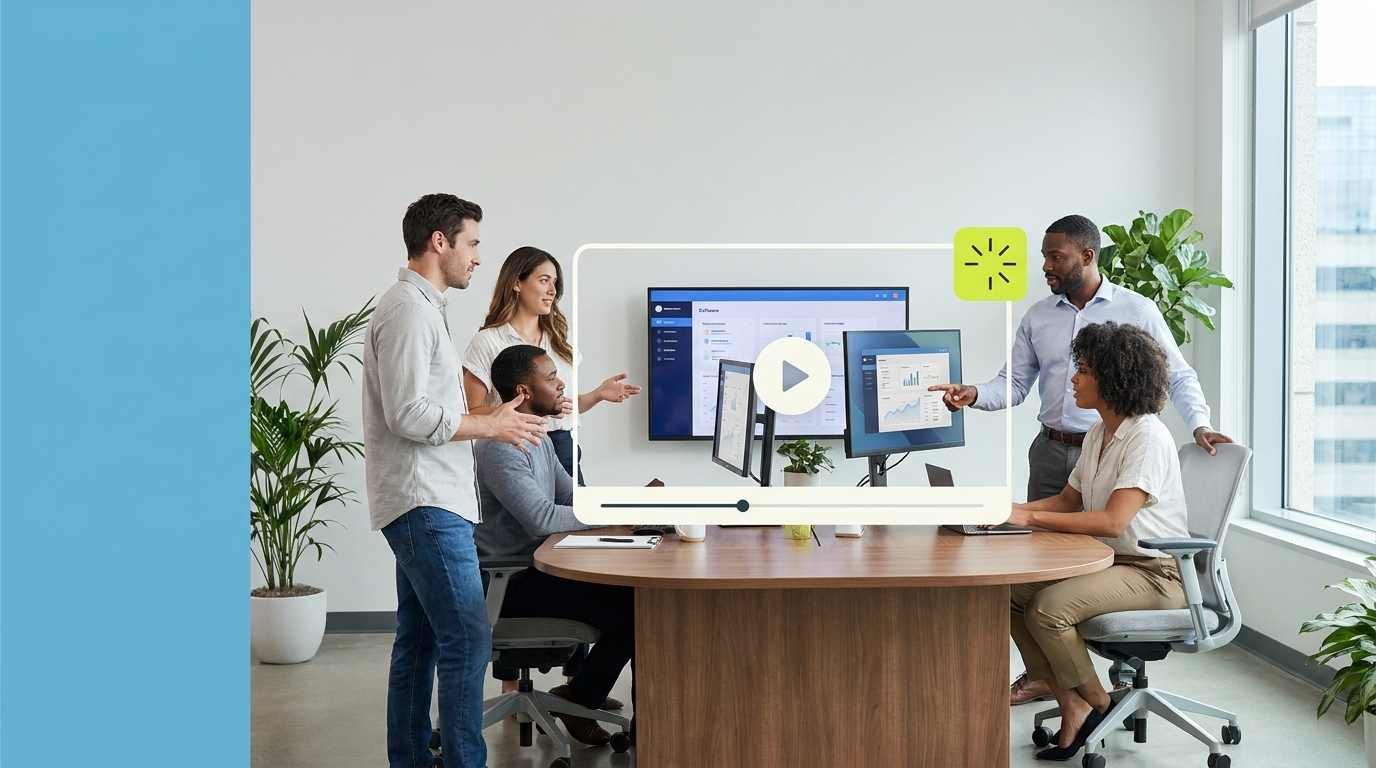
Video editing for tech companies covers a wider range of content than most technology organizations produce when they first start building a content operation. Product demo videos, founder thought leadership, sales enablement clips, webinar recordings, customer success stories, and social content for LinkedIn, YouTube, and X all require professional editing if they are going to move the needle on pipeline and brand awareness. The technical sophistication of a tech brand's product is undermined by video content that looks amateurish or unconvincing.
This guide covers what professional video editing for tech companies involves, the content types that perform best, what it costs, and how to find a service that understands the specific requirements of technology marketing.
What video editing for tech companies involves
Tech company video has a particular set of requirements that differ from consumer or general B2B content.
Product demonstration editing requires precision. The editor needs to understand the product flow being demonstrated well enough to cut it clearly for a viewer who is evaluating the product. Jump cuts that skip logical steps confuse viewers. Dead air during loading states drags the pacing. Screen recordings often need zoom callouts to direct attention to specific interactions. An editor who has never worked on software demos will not instinctively make these decisions correctly.
Thought leadership content for tech executives and founders requires a different editorial touch. The goal is to communicate expertise and conviction, not just present information. Pacing that gives ideas room to land is more effective than the faster cutting that works for product content. Music choices need to reinforce credibility rather than energize. Caption style should be clean and professional.
Sales enablement video, including short objection-handling clips, company overview content for outbound, and case study video for late-stage deals, requires tight editing that respects the time of a busy executive audience. Every second of a sales video should serve a purpose.
According to Wyzowl, 91% of businesses use video as a marketing tool. In technology markets where buyers research independently and often form strong opinions before talking to sales, the quality and volume of video content a company has published is part of how it is evaluated.
Content types tech companies use video editing for

Product demo videos are the most critical content type for most tech companies. A demo that shows the product working clearly and compellingly is the single most powerful conversion asset most technology companies have. This requires an editor who can handle screen recording, voiceover synchronization, zoom callouts, and polished delivery that matches the product's quality.
Founder and executive thought leadership on LinkedIn and YouTube positions the company's leadership as credible voices in their category. These videos build audience and brand equity over time. Consistent publishing in this format is one of the highest-use content investments for early-to-mid stage tech companies.
Customer success and case study video is essential for late-stage sales conversations. A well-produced case study featuring a recognizable customer speaking to concrete outcomes is more persuasive than a slide deck with logos and percentage figures. The editing needs to feel polished and credible, with clean interview work and relevant footage to support the narrative.
Webinar and event content is a significant source of raw video for tech companies. A ninety-minute webinar edited into a ten-minute YouTube cut, a set of five-minute LinkedIn clips, and a dozen short social highlights produces dramatically more distribution than the original recording ever would on its own.
Team and culture content supports recruiting. A company overview video or team culture clip on a careers page communicates the working environment to candidates in a way that job descriptions cannot. For competitive recruiting in technical disciplines, this content matters.
Ad and paid media video covers the content used in LinkedIn ads, YouTube pre-roll, and programmatic placements. This content requires fast hooks, clear messaging, and polished delivery within fifteen to thirty seconds.
How much tech company video editing costs
Tech company video editing pricing depends on content type and production volume.
For standalone productions like a product demo or customer case study, per-project rates typically run $1,500 to $5,000 depending on length and complexity. Screen recording-heavy content with voiceover and callouts costs more than a simple interview edit.
For tech companies producing ongoing content across multiple channels, a done-for-you subscription service at $2,000 to $3,200 per month covers the full content output for a flat fee. This model is more cost-effective than per-project pricing for companies publishing ten or more videos per month across product, thought leadership, and social content.
HubSpot research on video marketing confirms that consistent video publishing produces compounding returns in organic search, social reach, and conversion rates. For tech companies where the sales cycle is long and buyer education is a significant part of the revenue process, a deep content library that investors, prospects, and partners can find on demand is a durable asset.
An in-house editor costs $55,000 to $75,000 per year per ZipRecruiter. For companies with constant high-volume production needs across multiple content types, that investment is justified. For companies still building their content operation, a subscription service provides professional output without the overhead.
What to look for in a tech company video editing service

Experience with software and technology content is the most important criterion. An editor who has worked on product demos, SaaS marketing content, or developer-facing video understands the specific decisions that make that content effective. Request portfolio examples of technology, software, or B2B product content before evaluating a service.
Screen recording and software demo experience is worth evaluating specifically. Ask whether they have experience with Loom, screen capture production, and zoom callout editing. These are not universal skills.
Turnaround time is also important for tech companies with active content calendars, product launch schedules, and event-based publishing. Confirm the service can meet your standard turnaround requirements before committing.
For a broader comparison of services across use cases, see best video editing services compared. For a framework to think about the content operation your tech company needs to build, see how to build a B2B video content engine.
How to brief a tech company video editor
Tech company video briefs should be specific about product context, audience, and intended use. An editor who does not understand whether they are editing for a developer audience or a VP of Marketing will make wrong decisions about pace, depth of technical detail, and visual tone.
A complete tech company brief covers: the product or topic being presented, the intended audience and their technical level, the goal of the video (awareness, education, conversion), the channel, the tone, any specific product moments or features to highlight, and any required graphics or brand elements.
For product demo content specifically, a brief that includes a walkthrough of the product flow being demonstrated helps the editor understand the logic of the product and cut more effectively. The video brief template provides a starting structure you can adapt for technology content. The done-for-you video editing service guide covers what the ongoing editing relationship looks like for companies producing content at volume.
The ROI case for consistent tech video

Tech companies that publish consistently build a searchable library of expertise content that works continuously on their behalf. A prospect who finds three well-produced explainer videos on a topic they care about develops genuine conviction about a company's knowledge before any sales interaction begins. That inbound credibility is worth significantly more per dollar than cold outreach.
Building a tech company video content operation
Tech companies that build systematic video content operations produce a measurably stronger market presence than those that approach video as a one-off project. The goal is a content library that grows over time and earns distribution across multiple channels without requiring a new budget conversation each time.
The operational model that works for growing tech companies: batch the filming by content type, establish a recurring editing relationship with a professional service, and publish on a fixed cadence. Thought leadership posts go out on LinkedIn twice per week. Product content updates quarterly or with major releases. Customer stories publish monthly or quarterly. Social clips go out daily or several times per week.
This cadence is impossible without an editing service that can handle the volume. Your team should be focused on what to say and how to capture it. The editing should be someone else's problem.
For tech companies building social video as a channel specifically, the short-form video editing service guide covers what platform-optimized editing looks like. The video editing subscription services guide covers how to evaluate and structure ongoing editing relationships for consistent output.
Where to go from here
Frequently asked questions
What type of video editing does a tech company need?
Tech companies typically need product demo video editing, founder and executive thought leadership content, customer case study and testimonial video, webinar and event content repurposing, team and culture video for recruiting, and paid media creative for LinkedIn and YouTube.
How much does tech company video editing cost?
Per-project rates run $1,500 to $5,000 depending on content type and complexity. Done-for-you subscription services cost $2,000 to $3,200 per month and cover ongoing editing capacity across all content types. A $900 trial is available to test the service before committing to a monthly plan.
Do I need an editor with SaaS or software experience?
It helps significantly for product demo content. An editor who has worked on software demos understands how to cut screen recordings clearly, how to handle voiceover synchronization, and how to use zoom callouts to direct viewer attention. For other content types, general B2B experience is usually sufficient.
How do I edit product demo videos effectively?
Use a clean screen recording with no unnecessary steps. Synchronize voiceover to the actions being demonstrated. Use zoom callouts to direct attention to key interactions. Cut dead air during loading states. Keep the total length focused on the essential flow. A professional editor with software demo experience makes these decisions instinctively.
How should tech companies use video on LinkedIn?
Short-form thought leadership clips from executives, product updates, customer quotes, and data-backed insights perform well on LinkedIn. Captions are essential because most LinkedIn video is watched without sound. Content that delivers a concrete insight or provokes a strong opinion in sixty to ninety seconds consistently outperforms longer or less specific posts.
What is the ROI of video for tech companies?
Video drives conversion rate improvements on product pages, increases engagement on outbound sales sequences, supports faster sales cycles by educating buyers before calls, and compounds in organic value as library depth grows. For tech companies where the sales cycle is long, a well-maintained video library that answers buyer questions at every stage of the funnel reduces sales friction and shortens time to close.
Can video content replace written content for tech marketing?
Not entirely, but it should complement it. Product documentation, technical content, and long-form thought leadership work as written content. Visual product demonstrations, customer stories, and social reach work better as video. The strongest tech content strategies combine both and repurpose insights across formats.

Prakhar Mehta
Pixel8 is a done-for-you video editing subscription, giving SaaS companies, agencies, and founders a dedicated editing team with 48-hour turnaround.
Ready to stop doing this yourself?
Get a dedicated video editing team. 48-hour turnaround, unlimited revisions, month-to-month.