Video Editing for Logistics Companies: Full Guide
Video editing for logistics companies covers operations content, recruiting video, and B2B sales material. See what it costs and how to find the right service.
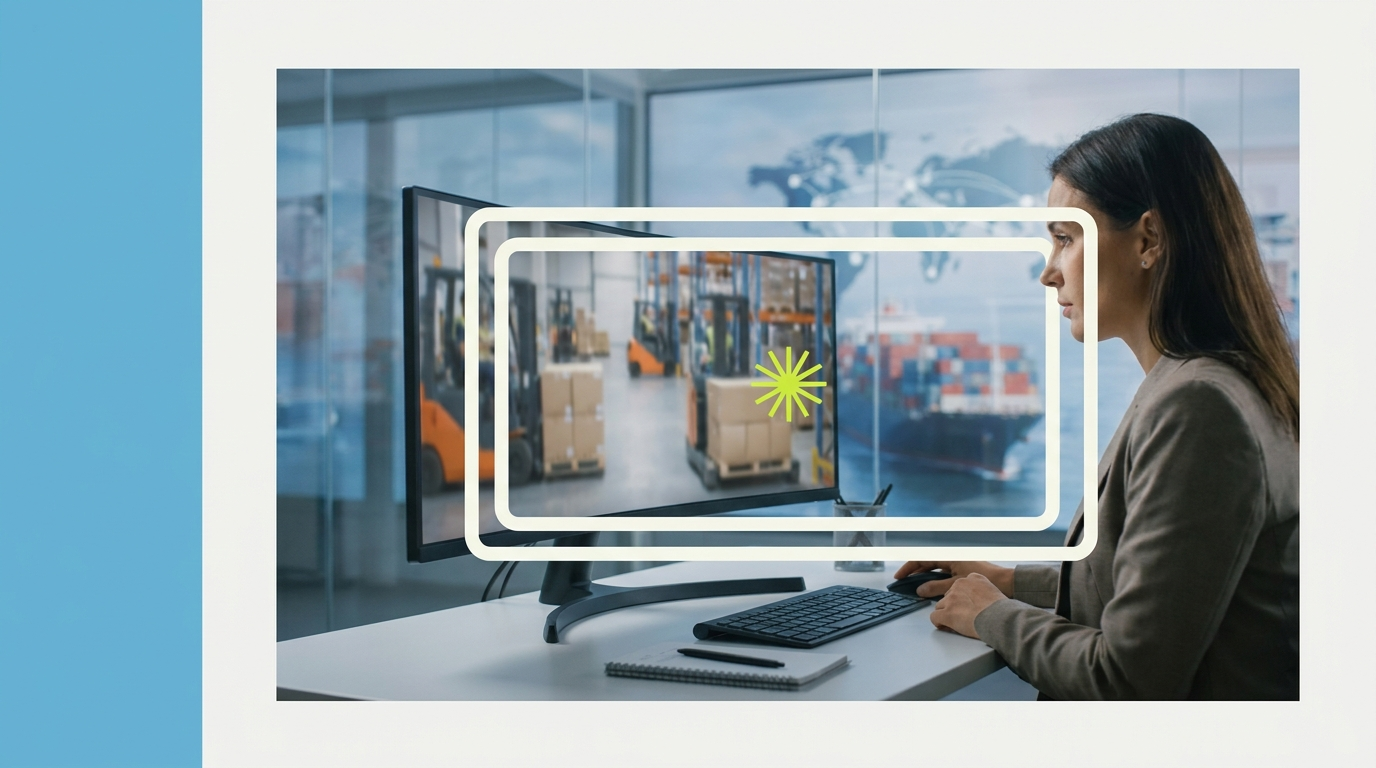
Video editing for logistics companies addresses a content challenge that the sector has historically underinvested in: making complex operational capabilities compelling to the B2B buyers who choose supply chain partners and the workforce candidates who power those operations. A logistics company's differentiating capabilities, including real-time tracking, warehousing technology, last-mile delivery speed, and carrier network breadth, are difficult to communicate through static content. Video that shows operations in motion, demonstrates technology in use, and presents human expertise in a credible way gives logistics companies a meaningful advantage in a category where most competitors are still relying on text-heavy capability decks.
This guide covers what professional video editing for logistics companies involves, the content types that deliver the most value, what it costs, and how to find a service suited to industrial and B2B content production.
What video editing for logistics companies involves
Logistics video editing has specific characteristics that reflect the operational nature of the business.
Operations footage is often visually compelling but requires editorial skill to present effectively. Warehouse operations, fulfillment centers, loading docks, and fleet management footage involves motion, equipment, and human activity that can look impressive or chaotic depending on how it is edited. An editor who understands industrial footage knows how to present operational excellence visually: the confidence of a picker moving through a well-organized warehouse, the precision of a loading operation running on schedule, the scale of a network without making it feel impersonal.
B2B sales content for logistics requires a level of credibility and substantive explanation that consumer content does not. Logistics buyers evaluate partners based on operational capability, technology, reliability data, and the quality of account management. Video content that communicates these things needs to be specific and evidence-based, not generic. An editor who only works on consumer or brand content may not understand the level of substantive information that logistics buyers expect.
Workforce recruitment video is another major application for logistics companies. Driver recruitment, warehouse staffing, and operations management talent are significant ongoing needs for logistics companies. Video that shows what working in the organization is actually like, including the technology, the team culture, and the day-to-day environment, is one of the most effective recruitment tools available.
According to Wyzowl, 91% of businesses use video as a marketing tool. In logistics, where B2B relationships are sticky and long-term, video content that builds credibility and demonstrates capability early in the evaluation process has an outsized return relative to its production cost.
Content types logistics companies use video editing for

Company capability and overview video is the primary sales support tool for logistics companies competing for new shipper relationships. A polished two-to-three-minute overview that communicates network reach, technology capabilities, service types, and operational quality gives sales teams a tool that works at every stage of the buyer journey.
Technology demonstration video shows specific platforms, TMS integrations, visibility dashboards, and customer portals in operation. Logistics technology is a significant differentiator in carrier and 3PL selection, and video that makes the technology feel accessible and capable is more persuasive than a static feature list.
Operations tour and facility video shows the physical reality of a warehouse, distribution center, or logistics hub. Buyers who can see the facility, the technology in use, and the people running the operation before visiting are better qualified and more advanced in the sales process when they do engage.
Workforce recruitment video targets drivers, warehouse associates, and operations professionals. A video that shows the real work environment, the compensation and benefits, team culture, and growth opportunities drives applications and reduces time-to-hire compared to text-only job postings.
Customer success and case study video features existing shipper partners speaking to the outcomes of the logistics relationship. A customer describing how a 3PL or carrier helped them hit a seasonal peak, reduce damage rates, or improve delivery speed is one of the most persuasive content assets in B2B logistics sales.
Safety and training video covers safety procedures, equipment operation, and compliance training for warehouse and transportation staff. Well-produced training video reduces workplace incidents and improves regulatory compliance in a sector where safety outcomes have direct liability and operational implications.
How much logistics video editing costs
Logistics video editing pricing varies by content type and production scope.
For standalone capabilities and sales video, per-project rates typically run $1,500 to $5,000 depending on length, the scope of operations footage included, and any motion graphics or data visualization required.
For training and safety content, per-video pricing often runs $50 to $150 per finished minute for straightforward instructional content. More complex productions with multiple locations or equipment demonstrations cost more.
Done-for-you subscription services at $2,000 to $3,200 per month cover ongoing editing across recruitment content, social video, and marketing support for a flat fee. For logistics companies producing consistent content for multiple purposes simultaneously, the subscription model provides more predictable cost and output than per-project pricing.
HubSpot research on video marketing shows that businesses that invest consistently in video see compounding returns in brand recognition and inbound lead quality. For logistics companies building a content library that demonstrates operational credibility, consistent publishing across YouTube, LinkedIn, and their website produces long-term SEO and awareness returns.
An in-house video editor costs $55,000 to $75,000 per year per ZipRecruiter. For logistics companies with constant training, recruitment, and marketing production needs, dedicated editing headcount is justified. For companies building out their video content capability for the first time, a subscription service is a lower-risk starting point.
What to look for in a logistics video editing service

B2B and industrial video experience is the most important criterion. An editor who has worked on manufacturing, supply chain, or logistics content understands the visual language that communicates operational excellence to professional buyers. A portfolio full of consumer lifestyle or entertainment content does not demonstrate this capability. Ask specifically for B2B or industrial portfolio examples.
Operations footage experience is worth evaluating. Ask whether the service has edited facility tours, warehouse operations content, or equipment demonstration video. The editorial decisions that make operations footage look impressive are different from those that work for office or interview content.
Training and safety content experience is relevant for companies also producing instructional video. Ask whether they understand LMS format requirements and have produced content with chapter navigation and branded instructional graphics.
For a broader comparison of editing services, see best video editing services compared. For companies also considering what type of ongoing video relationship makes the most sense, see video editing agency vs subscription for a framework.
How to brief a logistics video editor
Logistics briefs need to convey both the operational context and the B2B buyer audience. An editor who does not understand that the content is being evaluated by operations directors, supply chain VPs, or procurement teams rather than a consumer audience will make wrong decisions about depth, tone, and presentation.
A complete logistics brief covers: the purpose of the video (sales support, recruitment, training, or marketing), the intended audience and their role, the operations or technology being featured, the key capability or differentiator to communicate, the intended channel, and any data or performance metrics to include.
For operations footage briefs, specify which aspects of the operation you want to highlight and what the viewer should take away from each sequence. For recruitment video, include the role being targeted and the key reasons candidates choose your organization over competitors. The video brief template provides a starting structure you can adapt for logistics content.
Video content as a competitive differentiator in logistics

Most logistics companies compete on very similar capability claims: nationwide network, real-time visibility, dedicated account management, competitive rates. The companies that break through this parity position are the ones that can demonstrate their capabilities rather than simply stating them.
Video is the most effective demonstration medium available. A capabilities overview that shows a fulfillment center in operation, presents real performance data in motion graphics, and features a customer speaking to measurable outcomes communicates those claims in a way that no list of bullet points can replicate.
The logistics companies that invest in consistent video content build a measurably stronger market position over time. A YouTube channel with fifty capability, customer success, and thought leadership videos is a credibility signal that a prospect who does deep research will find and respond to. A LinkedIn presence with regular content about operations, technology, and people positions the company as an authority in the sector rather than a commodity provider.
For logistics companies building LinkedIn presence specifically, see linkedin video strategy for the framework. For companies also working on building out their YouTube channel as an inbound lead channel, see youtube channel growth strategy for the operational approach.
Where to go from here
Frequently asked questions
What type of video editing does a logistics company need?
Logistics companies typically need capabilities and overview video, technology demonstration content, facility and operations tour video, workforce recruitment content, customer success and case study video, and safety and training video.
How much does logistics video editing cost?
Per-project rates for capabilities and marketing content run $1,500 to $5,000. Training and safety content is often priced at $50 to $150 per finished minute. Done-for-you subscription services cost $2,000 to $3,200 per month for ongoing editing across multiple content types. A $900 trial is available to test the service before committing to a monthly plan.
How does video content help logistics companies win new shippers?
Well-produced capability and customer success video gives logistics buyers a credible preview of what a relationship with the company looks like before they engage sales. Buyers who have watched facility tours, technology demonstrations, and customer testimonials arrive at sales conversations with more specific questions and higher conviction, which shortens sales cycles.
What makes good logistics video content?
Specificity, credibility, and operational evidence. A vague claim about reliability is not compelling. A specific story about a customer's seasonal peak, presented with footage of the operation in motion and a customer speaking to measurable outcomes, is. Logistics video should show the operation, not just describe it.
Can video help with driver and warehouse recruiting?
Yes. A recruiting video that shows the real work environment, the team, the technology, and the growth opportunities available is more effective than a text job listing at attracting applicants who have an accurate and positive impression of what working at the company is like. Accurate expectations also reduce early turnover among new hires.
Should logistics companies post video on LinkedIn?
Yes. LinkedIn reaches the operations directors, supply chain leaders, and procurement professionals who are logistics buyers. Regular publishing of capability content, operational thought leadership, and customer success stories builds brand recognition with that audience over time. Most logistics companies underutilize LinkedIn video relative to the opportunity available.
How do I make operations footage look professional?
Professional editing is the difference between footage that looks like a security camera recording and content that communicates operational excellence. Color grading, thoughtful cut selection that highlights the best moments, appropriate music or sound design, and motion graphics that add context all contribute to a professional result. Work with an editor who has experience with industrial and operations footage specifically.

Prakhar Mehta
Pixel8 is a done-for-you video editing subscription, giving SaaS companies, agencies, and founders a dedicated editing team with 48-hour turnaround.
Ready to stop doing this yourself?
Get a dedicated video editing team. 48-hour turnaround, unlimited revisions, month-to-month.