Drone Video Editing Service: A Complete Guide
A drone video editing service turns raw aerial footage into polished, cinematic video. See what it covers, what it costs, and how to choose the right service.
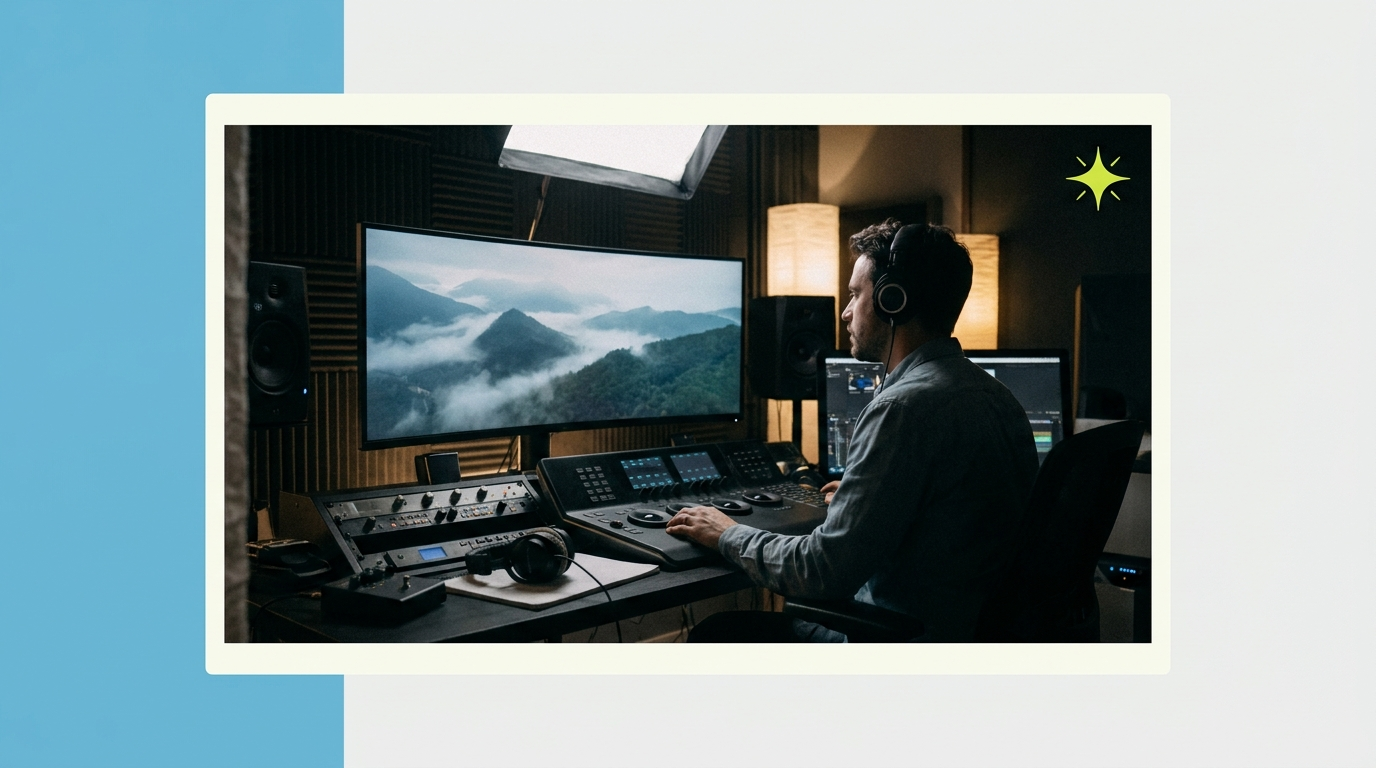
A drone video editing service turns raw aerial footage into the polished, cinematic content that makes drone video worth shooting in the first place. Capturing aerial footage has become easy and affordable, but raw drone clips, however impressive in the moment, are rarely usable as is. They need color grading, stabilization cleanup, thoughtful sequencing, music, and pacing to become content that holds attention and strengthens a brand. A drone video editing service supplies exactly that craft, taking the footage you or a pilot captured and producing finished video for real estate, construction, tourism, events, and marketing. This guide covers what a drone video editing service involves, who uses it, what it costs, and how to choose the right one.
What a drone video editing service involves
Drone video editing has specific demands that distinguish it from standard editing, and a service that specializes in aerial footage produces noticeably better results.
Color grading aerial footage is a craft of its own. Drone footage often comes back flat, hazy, or inconsistent across clips shot at different times of day, and skilled color work is what transforms it into rich, cinematic imagery. A service experienced with aerial footage knows how to bring out skies, scenery, and architecture, correcting the haze and flatness that raw drone clips typically carry. This single step is often the difference between footage that looks amateur and footage that looks professional.
Sequencing and pacing turn clips into a story. Impressive individual shots do not make a compelling video; the order, timing, and rhythm do. An editor who understands aerial work knows how to open with a hook, build through reveals, time movements to music, and pace a sequence so it feels cinematic rather than like a string of disconnected flyovers. This editorial judgment is what makes the footage actually engaging.
Technical cleanup is part of the job. Even good drone footage can have minor stabilization issues, exposure shifts, and moments that need smoothing, and a professional service handles this finishing so the final video feels polished. According to Wyzowl, 91% of businesses use video as a marketing tool, and aerial footage edited well gives a brand a premium, cinematic edge that flat raw clips never match.
Who uses a drone video editing service

Real estate professionals use aerial editing to showcase properties, land, and neighborhoods from perspectives ground-level footage cannot capture, making listings stand out. Our video editing for real estate agents overview covers how aerial and ground footage combine for property marketing.
Construction and development companies document project progress, site overviews, and completed work from above, creating compelling records for clients, investors, and marketing.
Tourism and hospitality brands use cinematic aerial footage of destinations, resorts, and venues to create the aspirational content that drives bookings, where the sweeping aerial shot is often the most persuasive image a brand can show.
Event and wedding videographers add aerial perspectives that lift event coverage above the ordinary, and they rely on editing to integrate that footage cleanly with ground-level content.
Marketing and brand teams use aerial footage to give brand films and campaigns a premium, cinematic quality, often combining drone shots with other footage that a service edits into a cohesive whole.
Agencies and production companies outsource aerial editing to handle overflow or access specialized color and finishing skills without building that capability in-house.
How much a drone video editing service costs
Drone video editing pricing varies by project length, footage volume, and the level of finishing required.
For per-project work, a polished aerial video typically runs $300 to $2,000 depending on length, the amount of footage to sort through, color grading complexity, and whether music licensing and motion graphics are included. A short, single-location real estate flyover sits at the lower end, while a multi-location cinematic brand piece sits higher.
For businesses with ongoing aerial content needs, a subscription-style service is more economical than commissioning each video separately. Done-for-you editing services run $2,000 to $3,200 per month and cover a steady flow of edited aerial and combined footage for a flat fee, which suits real estate teams, developers, and brands producing regular content. Our video editing subscription services guide explains how those plans are structured, and our video editing rates breakdown covers how aerial editing is priced across options.
Hiring an in-house editor with aerial color skills is an option for high-volume operations, at $55,000 to $75,000 per year before benefits per ZipRecruiter, plus software. For most businesses, a specialized service delivers better aerial results than a generalist in-house hire and avoids the overhead. The specialized color and finishing skills aerial footage needs are often easier to access through a service than to build internally.
What to look for in a drone video editing service

Aerial color grading expertise is the most important criterion. Confirm the service has genuine experience grading drone footage, since correcting haze, flatness, and inconsistency across aerial clips is a specialized skill that separates cinematic results from amateur ones. Ask specifically for aerial work in their portfolio, not just general editing.
Cinematic sequencing ability matters because impressive shots alone do not make a video. Confirm the editor can structure and pace aerial footage into a compelling sequence, with hooks, reveals, and music timing, rather than simply stringing clips together.
The ability to combine aerial and ground footage is valuable for most real-world projects, which rarely use drone footage alone. Confirm the service can integrate aerial shots smoothly with other footage into a cohesive final video. For teams planning how aerial fits a broader content effort, our video content strategy b2b buyers framework applies to mapping out where aerial content adds the most value.
Getting the most from your aerial footage
The businesses that get the most from drone footage treat editing as the step that unlocks its value rather than an afterthought. Capturing aerial footage is now easy, but raw clips are not the product; the edited, color-graded, well-paced final video is. A consistent relationship with a drone video editing service turns every flight into finished content that strengthens listings, projects, and campaigns.
HubSpot research on video marketing shows that higher-production, cinematic content drives stronger engagement and brand perception, which is exactly what well-edited aerial footage delivers. A real estate team, developer, or brand that consistently produces polished aerial video projects a premium image that competitors relying on flat raw clips or static photos cannot match.
The practical move for most businesses is to keep capturing aerial footage and hand the editing to a service that specializes in it, rather than letting impressive raw clips sit unused or settling for a generalist edit. Outsourcing aerial editing to specialists lets you focus on shooting and your core work while a professional turns the footage into the cinematic content that makes the investment in drone capture worthwhile.
Why the edit, not the flight, creates the value

It is easy to assume that the value of drone content lives in the flying, since capturing a sweeping aerial shot feels like the impressive part. In practice, the flight produces raw material, and the edit produces the product. A folder of raw drone clips, however striking individually, is not something a client wants to watch; it is flat, often hazy, inconsistent across shots, and lacking the structure that makes footage feel cinematic. The transformation from that folder into a polished, persuasive video is entirely the work of editing, which is why the edit, not the flight, is where the value is actually created.
This reframing matters because it changes where businesses should focus their investment. Many companies pour money into better drones and more flying while letting the resulting footage sit unused or settle for a rushed, generalist edit, which wastes the very footage they paid to capture. The higher-impact move is to ensure the footage is edited by someone who genuinely understands aerial work, since skilled color grading and cinematic sequencing do far more to improve the final result than marginally better capture does. The best raw footage poorly edited still looks amateur; good footage expertly edited looks premium.
The specialized nature of aerial editing is the reason a dedicated service often outperforms an in-house generalist. Grading drone footage to remove haze and flatness, matching shots taken at different times of day, and pacing aerial sequences for cinematic effect are distinct skills that a general editor may not have, even a competent one. A service that specializes in aerial footage brings exactly that expertise, which is usually easier and more economical to access through a partner than to build internally, especially for businesses whose core work is real estate, construction, or hospitality rather than video. Our guide to how to outsource video editing covers how to brief an aerial partner for clean, consistent results.
A business that treats editing as the step that unlocks its aerial investment finds that every flight starts producing real returns. Listings look more premium, project documentation becomes genuinely compelling, and brand films gain the cinematic quality that sets them apart, all from footage that would otherwise have sat unused or been flattened by a generic edit. The companies that get the most from drone capture are not the ones with the most expensive equipment; they are the ones who reliably turn their footage into finished, cinematic content, which is precisely what a specialized editing relationship delivers.
Where to go from here
Frequently asked questions
What does a drone video editing service do?
A drone video editing service takes raw aerial footage and turns it into polished, cinematic video through color grading, sequencing, pacing, music, and technical cleanup. It transforms impressive but unusable raw clips into finished content for real estate, construction, tourism, events, and marketing.
How much does drone video editing cost?
Per-project aerial videos typically run $300 to $2,000 depending on length, footage volume, and finishing. Ongoing done-for-you subscription services run $2,000 to $3,200 per month for a steady flow of edited aerial and combined footage, which suits businesses with regular needs. A $900 trial is available to test the service before committing to a monthly plan.
Why does drone footage need professional editing?
Raw drone footage usually comes back flat, hazy, and inconsistent, and impressive individual shots do not make a compelling video on their own. Color grading, sequencing, and pacing are what transform raw clips into cinematic content, which is a specialized skill.
Who uses a drone video editing service?
Real estate professionals, construction and development companies, tourism and hospitality brands, event and wedding videographers, marketing teams, and production agencies. Anyone capturing aerial footage who wants polished, cinematic results rather than raw clips benefits from a specialized service.
Can a drone editing service combine aerial and ground footage?
Yes, and most real-world projects need this. A good service integrates aerial shots cleanly with ground-level footage into a cohesive final video, since drone footage is usually one element of a project rather than the whole thing.
Should I hire an in-house editor or use a drone editing service?
For most businesses, a specialized service delivers better aerial results than a generalist in-house hire and avoids the overhead of a $55,000 to $75,000 per year editor. The specialized color and finishing skills aerial footage needs are often easier to access through a service.
What should I look for in a drone video editing service?
Genuine aerial color grading expertise, the ability to sequence footage into a cinematic story, and experience combining aerial and ground footage. Ask specifically for drone work in their portfolio, since aerial editing is a specialized skill distinct from general editing.

Prakhar Mehta
Pixel8 is a done-for-you video editing subscription, giving SaaS companies, agencies, and founders a dedicated editing team with 48-hour turnaround.
Ready to stop doing this yourself?
Get a dedicated video editing team. 48-hour turnaround, unlimited revisions, month-to-month.